Comparing Silver Jewelry Manufacturers
As an international jewelry wholesale buyer, sourcing from Bali’s renowned Celuk Village can significantly enhance your business offerings. Known for its artisan silver and goldsmithing, Celuk provides unique craftsmanship that machine-made jewelry cannot match. When selecting a silver jewelry manufacturer from this region, it’s crucial to conduct a thorough comparison to ensure you partner with a reliable supplier that meets your specific needs.
Understanding 925 Sterling Silver Standards
When selecting a silver jewelry manufacturer, confirming the authenticity of 925 sterling silver is fundamental. This standard indicates an alloy composed of 92.5% pure silver and 7.5% other metals, typically copper, for enhanced durability. A hallmark stamp of “925” is essential for verifying authenticity. Reputable manufacturers in Celuk ensure their products are lead-free and nickel-free, making them hypoallergenic. Buyers can independently verify this through assay or SGS testing. It is important to distinguish solid silver from silver-plated or vermeil items, as these have different compositions and durability. Familiarize yourself with these standards and ensure your chosen manufacturer adheres to them. For more details on sterling silver, refer to Sterling silver standards.
Evaluating Craftsmanship and Techniques
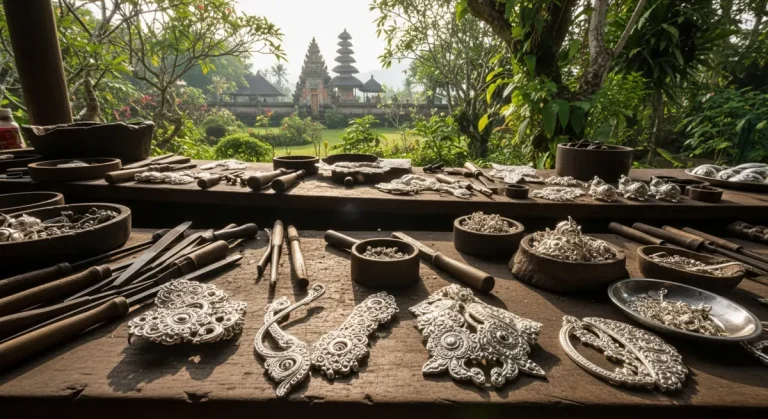
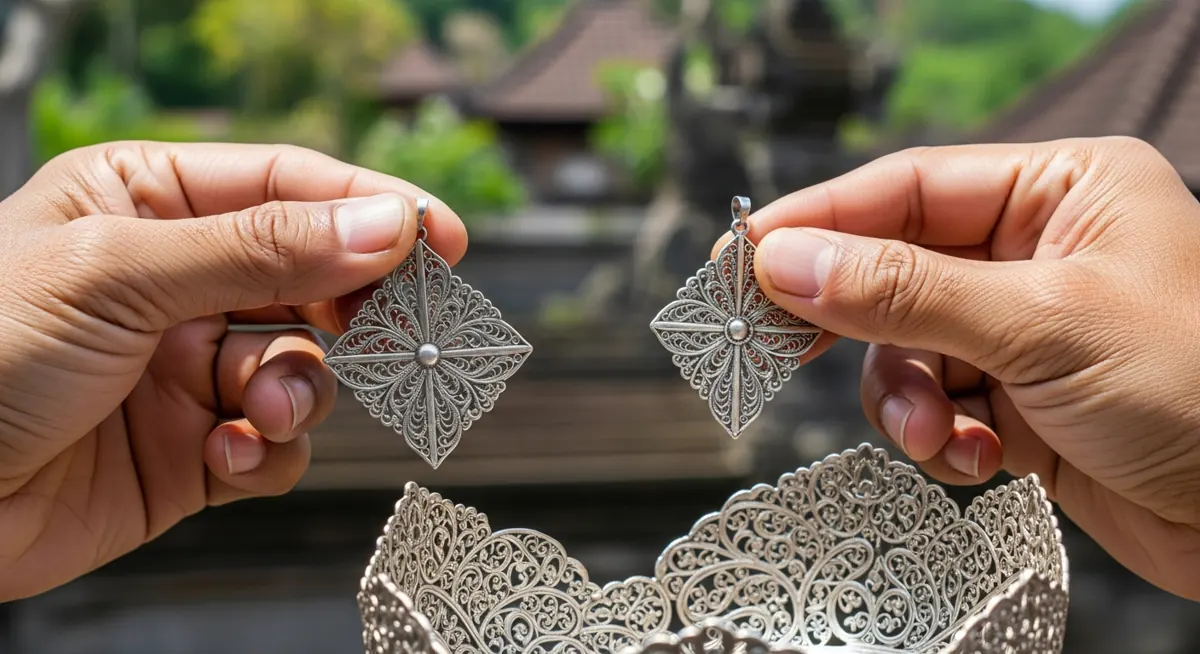
Celuk Village is celebrated for its unique craftsmanship, incorporating traditional techniques such as granulation, filigree (locally known as “jawan”), lost-wax casting, and hand-stamping/repoussé. These artisan methods result in intricate designs that distinguish Celuk-made jewelry from machine-produced alternatives. When comparing manufacturers, assess their capability to produce these complex designs. A manufacturer that employs skilled artisans can offer bespoke pieces that enhance your product line. Ensure they can provide samples that demonstrate their craftsmanship before committing to large orders. Understanding these techniques can significantly impact the perceived value of the jewelry you offer to clients.
Minimum Order Quantities (MOQ) and Flexibility
MOQ is a critical factor in choosing a silver jewelry manufacturer. Celuk manufacturers typically offer accessible MOQs starting from around USD 200 for initial/sample orders, allowing for flexibility in testing new designs or market segments. It’s common for manufacturers to offer mixed or assorted catalogue orders, catering to diverse business needs. Before placing a large order, request samples to evaluate quality and design. Understanding the MOQ tiers and flexibility can help you manage inventory effectively and reduce financial risk. Confirm these details early in negotiations to ensure the manufacturer can accommodate your specific business model.
Pricing Linked to Silver Spot Rates
Silver jewelry pricing is intricately linked to the fluctuating silver spot rates. A simplified formula for calculating the base metal cost is: (gram weight x 0.925) x the silver price per gram. This price is indicative and should be confirmed at the time of order placement. Labor, workmanship, and any additional stones contribute to the final cost. Reputable manufacturers provide itemized quotes, allowing you to understand the breakdown of costs. Volume discounts are often available, making it advantageous to order in larger quantities. For current silver prices, refer to a trusted source such as Kitco’s silver price reference.
OEM and Private-Label Capabilities
Many Celuk manufacturers offer extensive OEM and private-label capabilities, providing thousands of ready-stock designs and custom manufacturing options. The typical workflow includes: design/CAD development, sample sign-off, deposit payment, production, and batch quality control. Manufacturers support custom designs, logo stamping, and personalized collections. This flexibility allows you to create unique products tailored to your brand identity. Ensure the manufacturer has in-house CAD design capabilities to streamline the design process and reduce lead times. This capability is crucial for businesses looking to differentiate their offerings in the competitive jewelry market.
Shipping, Incoterms, and Lead Times
Understanding the logistics of shipping and Incoterms is essential when working with international manufacturers. FOB Bali/Denpasar is standard for most jewelry shipments, with air courier services like DHL or FedEx preferred for speed and security. Sea freight is an option for very large orders. Essential export documents include the commercial invoice, packing list, HS code 7113, and Indonesian export permits. Insuring shipments against transit risks is highly recommended. Custom and OEM orders typically have a lead time of 3-4 weeks, with ready-stock shipping faster. Ensure you discuss these timelines with your manufacturer to align with your business needs.
Compliance with Stones and Material Regulations
Manufacturers often use a variety of stones, including natural and synthetic gemstones, cabochons, freshwater and sea pearls, and cubic zirconia. While most materials are unrestricted, it’s vital to note that CITES and Indonesian law restrict the use of coral, tortoiseshell, and certain protected shells/ivory. A responsible manufacturer will adhere to these regulations and avoid using restricted materials. Confirm the legality of materials used in your designs to ensure compliance with international standards and avoid potential legal issues.
Quality Control and Hallmarking
Ensuring quality control is a pivotal aspect of working with silver jewelry manufacturers. Reliable manufacturers implement stringent quality checks at various production stages, ensuring that each piece meets the desired standards. Hallmarking, a critical component of quality assurance, verifies the metal content of the jewelry. This process involves stamping the jewelry with a mark indicating its purity, such as “925” for sterling silver. By partnering with manufacturers who practice rigorous QC and hallmarking, you can assure your customers of the product’s authenticity and quality. Discuss the manufacturer’s quality control procedures and request documentation or samples to verify their standards.
Stone Setting Techniques
The art of stone setting can greatly enhance the allure of silver jewelry. Celuk artisans are adept in various stone-setting techniques, including prong, bezel, channel, and pave settings. Each method has its own advantages and is chosen based on the stone’s characteristics and the design’s requirements. Prong settings, for example, allow maximum light exposure to the gemstone, enhancing its brilliance, while bezel settings offer a more secure hold. Understanding these techniques will help you select designs that appeal to your target market’s preferences. Request samples to assess the manufacturer’s expertise in stone setting and ensure it aligns with your quality expectations.
For more insights on silver jewelry sourcing, explore our comparison of dropshipping vs. wholesale options. To discuss your specific requirements and receive a detailed quote, please contact us. Our team is ready to assist you in finding the perfect silver jewelry manufacturing partner for your business.